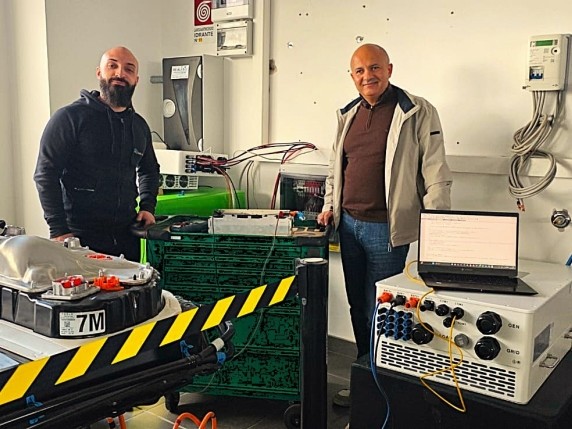

When an electric vehicle battery is retired, it doesn’t automatically mean it is no longer usable. In fact, in most cases it still retains a significant portion of its original capacity—often between 70% and 80%. While this level is no longer sufficient to meet the performance demands of mobility, it is more than adequate for many other applications.
Batteries designed for electric vehicles are built to very high standards, both in terms of safety and efficiency. They are engineered to withstand intensive charge and discharge cycles, temperature variations, and demanding operating conditions. For this reason, when they are no longer suitable for use on the road, they are far from “exhausted”—they are simply no longer optimal for that specific context.
This is where the value of reuse becomes clear. Instead of being immediately disposed of or recycled, these batteries can be deployed in less demanding applications, such as energy storage systems. For example, they can store energy generated from renewable sources like solar and wind, helping to stabilize the grid and improve both residential and industrial self-consumption.
This approach extends the lifecycle of batteries, reducing the need for new production and limiting the extraction of raw materials. It also allows us to recover the energy already “embedded” in the battery’s manufacturing process, avoiding waste and improving the overall efficiency of the energy system.
From a circular economy perspective, reuse represents a concrete and sustainable solution: giving batteries a second life not only reduces costs, but also lowers environmental impact and makes the entire energy cycle more efficient.